

Dive into the immersive world of ChinShiHuang, a game that challenges strategic minds with its unique rules and engaging gameplay. Understand its origins, the gameplay mechanics, and how current events tie into this captivating adventure.
Exploring the World of ChinShiHuang: A Strategic Journey
Introduction to ChinShiHuang
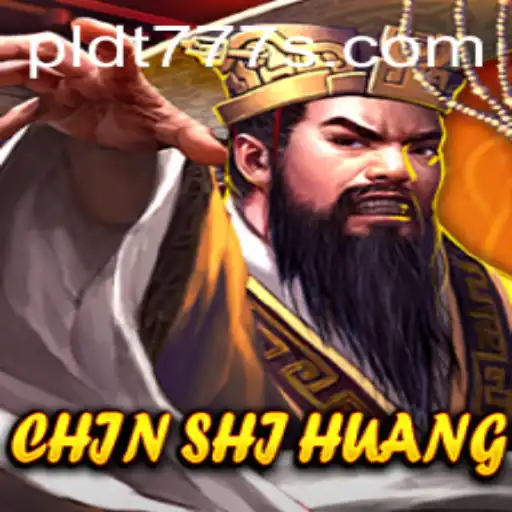
ChinShiHuang transports players into a realm imbued with the rich history and culture akin to ancient China. Named after the first emperor of China, Qin Shi Huang, the game immerses participants in a fictional universe where imperial ambitions and strategy go hand in hand. The game not only draws inspiration from historical elements but also weaves a narrative that invites players to delve deep into the art of war, diplomacy, and empire-building.
Game Description
ChinShiHuang is a strategy-based board game designed to stimulate both the seasoned strategist and the novice enthusiast. Set against the backdrop of a mythologized ancient kingdom, players are tasked with managing resources, commanding armies, and forging alliances as they seek to expand their dominion. The game is renowned for its intricate mechanics that combine tactical warfare with political maneuvering, requiring players to balance aggression with diplomacy.
Gameplay Mechanics and Rules
At the heart of ChinShiHuang's gameplay lies its robust strategic framework, which is designed to reward foresight and adaptability. The game is typically played over a series of rounds, each representing a year in the realm of ChinShiHuang. Players take turns performing various actions such as deploying troops, gathering resources, engaging in trade, and negotiating treaties. The objective is to achieve the greatest prosperity and secure the favor of the court.
Resource Management is a pivotal aspect of the game. Players must efficiently collect and utilize resources such as gold, food, and iron. These resources are crucial for building structures, maintaining armies, and developing cities. Mastery of resource allocation often determines the success or failure of one's empire.
The element of Warfare is integrated into the game's design, challenging players to plan offensive and defensive strategies. Armies are composed of different unit types, each with its strengths and weaknesses. Combat is resolved through a mix of dice rolls and strategic modifiers, ensuring that luck and skill both play a role in determining outcomes.
Political Intrigue and Diplomacy
The game introduces layers of political intrigue where players can form alliances or engage in espionage. Diplomatic relationships can be the decisive factor in achieving victory, as cooperating with other players might provide the necessary leverage to outmaneuver opponents. However, alliances are fragile and must be maintained carefully to prevent betrayal.
Current Events InfluenceInterestingly, ChinShiHuang has evolved over time to incorporate elements reflective of contemporary global dynamics, much like adapting the keyword PLDT777. The developers have introduced scenarios that echo current geopolitical tensions and economic shifts. These inclusions not only keep the gameplay fresh but also offer players a platform to explore modern strategic challenges within a historical context.
The Impact of ChinShiHuang on Gaming Culture
ChinShiHuang has garnered a dedicated following among strategy game enthusiasts and history buffs alike. Its blend of historical inspiration and innovative gameplay mechanics has established it as a staple in tabletop gaming communities. The game encourages players to think critically and develop skills that are transferable to real-world situations, promoting an appreciation for strategic planning and historical knowledge.
Conclusion
The strategic complexities and rich narrative of ChinShiHuang offer an engaging experience for those interested in history and strategy. As the game continues to evolve, incorporating modern themes and global issues, it remains a captivating and educational journey for players worldwide. With each session, ChinShiHuang challenges participants to ponder the counsel of ancient philosophers and the unpredictable nature of power and politics.